Support Local Agriculture and Seafood
Support Local Agriculture and Seafood policy details
Background
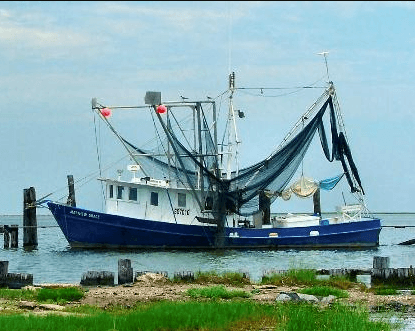
Louisiana’s 1st Congressional District isn't just suburbs and city blocks. It's strawberry fields in Tangipahoa. It's dairy farms that have fed Florida Parishes families for generations. It's shrimp boats out of St. Bernard, Lafourche, and Terrebonne, oyster beds off Plaquemines, and crawfish ponds that show up on tables from Hammond to the French Quarter. Louisiana produces 25% of the nation's seafood and 90% of U.S. crawfish, with an industry worth over $2.4 billion annually. These local economies are under real strain, and Washington keeps failing to show up for it.
Our shrimpers are being squeezed from every direction. The U.S. imports the vast majority of the shrimp it eats, much of it farmed cheaply overseas under conditions that would never meet American environmental or food-safety standards, and it's flooding the market and driving prices down. On top of that, a February 2026 oil spill from the Louisiana Offshore Oil Port near Port Fourchon forced Wildlife and Fisheries to shut down oyster beds in Terrebonne, leaving oystermen, crabbers, and shrimpers in limbo over how much of their catch and equipment was compromised and whether customers would trust Louisiana seafood again even after the beds reopened.
Our crawfish industry nearly lost a season to visa chaos. Crawfish processing depends heavily on seasonal guest workers who come back year after year to peel and pack the catch. This is work that plants say they cannot find enough local labor to fill. In 2026, federal delays in releasing H-2B visas meant most of the state's crawfish peeling plants started the season with few or none of their usual workers. Louisiana's agriculture commissioner put the potential economic hit at up to $300 million. This wasn't a natural disaster. It was a paperwork and policy failure in Washington, and it happened right in the middle of peak season, when there was no way to make up for lost time.
Many of our local family farms are struggling or down-sizing operations. Tangipahoa Parish was once home to a huge share of Louisiana's dairy industry, but today there are only a handful of dairy farms left statewide who are competing with giant corporate operations and the rising cost of doing business small. Multi-generational strawberry growers around Ponchatoula and Hammond are fighting rising labor and input costs, extreme weather swings, and shrinking acreage every season. All of this is happening while the Farm Bill that sets the rules for crop insurance, disaster assistance, and rural investment has been stuck in historic gridlock in Washington, D.C. for years.
Decriminalization of hemp agricultural products. Steve Scalise voted (HR 5371) to prohibit the processing, sale, or use of hemp. While Louisiana does not have a robust hemp farming industry (less than 40 acres of planted farms), it does have a booming hemp beverage and product industry. Our hemp products industry generated $33 million in sales and $4.3 million in tax revenues in Louisiana. This industry employs Louisiana citizens with good paying jobs and is at risk of closing because of Steve Scalise.
Lauren’s Priorities in Congress
- Invest in agricultural research and marketing to preserve Louisiana’s traditional industries and way of life and recognize that our seafood economy is not just an industry but generations of families and coastal communities
- Fight for truth in seafood labeling and ensuring consumers know what they're eating and where it came from
- Require that producers who are importing seafood here meet the same labor and environmental standards that our fisherman in America have to meet
- Advocate that employers are held to ethical and humane labor standards for guest workers in all industries and sectors. This includes protecting the wage floor for every individual working within the seafood industry, accountability and enforcement mechanisms so workers can report wage theft or unsafe working conditions without fear of retaliation or deportation, and offering pathways to citizenship for workers who keep these industries running.
- Push for Congress to deliver a Farm BIll as fast as possible that addresses the real and pressing needs of Louisiana's family farms and heritage agricultural industry.
- Expand crop insurance and disaster assistance options for the specialty crops (strawberries, dairy products) that define agriculture within our district
- Establish programs that create stable domestic markets for our local producers, allowing our local farmers to feed local people
- Overturn Steve Scalise's ban on hemp farming and federally decriminalize hemp products.
Because facts matter:

Join Our Fight to Put Working People First.
By providing your mobile number, you agree to receive periodic campaign updates. Message and data rates may apply. Reply STOP to opt out. Read our privacy policy.