Affordable Housing, Stronger Communities
Affordable Housing, Stronger Communities policy details
Background
For most individuals or families, buying a home is the biggest financial decision they'll ever make and in Louisiana, that decision has gotten harder every year. Lauren knows this firsthand. She bought her home here in Louisiana, and remembers what it took to make that leap — the savings, the paperwork, the fear of one unexpected cost throwing the whole plan off, and the ongoing maintenance of home ownership. That experience shapes how she thinks about this issue, because it's not abstract to her. It's personal.
Louisiana homeowners are still experiencing a property insurance crisis that Louisiana's own Insurance Commissioner describes as ongoing, even as the market slowly improves. Realtors across the state of Louisiana often report of deals collapsing at the closing table when buyers discover what it will cost to insure the home behind the mortgage they've already qualified forThis means families who can afford a mortgage are still being priced out by the cost of insuring the home behind it. Rising premiums have made the affordable housing shortage in Louisiana's metro areas worse and has taken a toll on the housing market across south Louisiana. And tens of thousands of homeowners remain stuck on Citizens, the state's insurer of last resort, paying rates that can run triple what they paid with a private carrier.
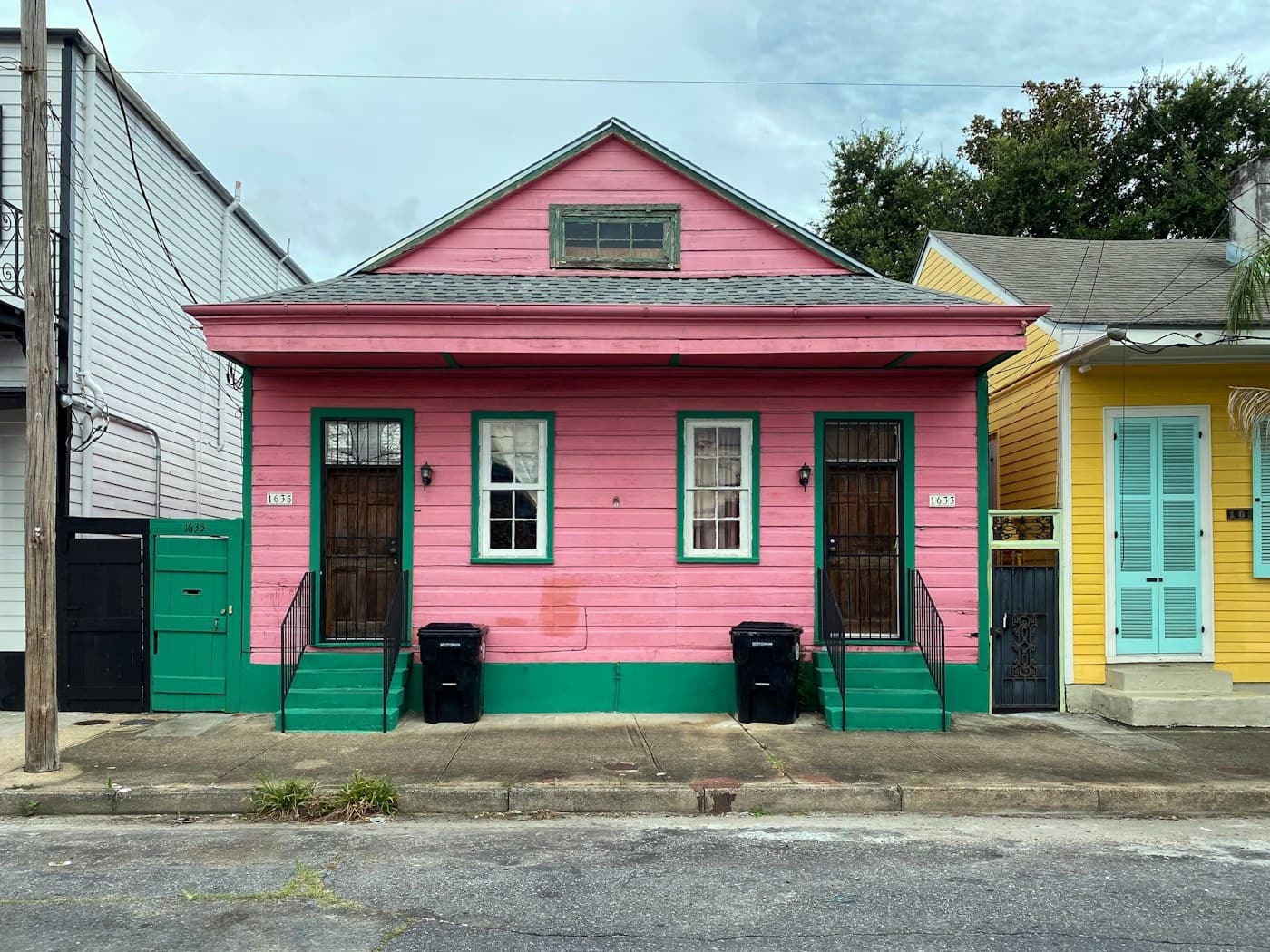
On top of insurance costs, this district simply doesn't have enough affordable housing to go around. Louisiana has a severe shortage of housing that is both safe and affordable to low-income renters, and that shortage pushes rents up for everyone else too. This ultimately makes it harder for teachers, nurses, first responders, service workers, and young families to find a place to live in the communities where they work. The historical effects of redlining are still seen in New Orleans and the district’s surrounding parishes today, contributing to cycles of poverty.
Lauren believes that housing is a human right and that a strong community starts with people being able to afford to live in it. That means tackling insurance costs, building more housing, and making sure federal disaster recovery actually reaches the families who need it — not just the wealthy or well-connected.
Lauren’s Priorities in Congress
- Support federal reinsurance backstop programs to bring down the cost of homeowners insurance in high-risk coastal states like Louisiana, addressing the root cause of soaring premiums rather than just shifting costs around.
- Expand access to first-time homebuyer assistance programs, down payment support, and low-interest FHA loans so families don't need generational wealth just to get in the door.
- Increase federal investment in affordable housing development, including the Low-Income Housing Tax Credit, to address Louisiana's shortage of housing affordable to working families.
- Protect renters and homeowners from predatory lending and unfair foreclosure practices, and extend foreclosure relief especially during federally declared disasters.
- Provide rent control options, tenant protections such as right to counsel, and increased oversight and accountability for unethical landlords.
- Ensure that new housing construction and development uses materials that are meant to be sustainable, energy efficient, and climate-resistant for our area.
- Establish programs in place that address the history of racist land and housing policies such as down payment assistance for people impacted by redlining practices, incentives to areas that eliminate exclusionary zoning, and elimination of discriminatory practices for home appraisals.
- Combat gentrification through community land trusts
Because facts matter:

Join Our Fight to Put Working People First.
By providing your mobile number, you agree to receive periodic campaign updates. Message and data rates may apply. Reply STOP to opt out. Read our privacy policy.